Kilimanjaro Day Pack: The Complete Guide to Packing Your Daily Essentials
A day pack is one of the most important pieces of equipment you'll use when climbing Mount Kilimanjaro. While porters carry your main duffel bag, your day pack stays with you throughout the trek, holding everything you'll need between camps.
Choosing the right backpack and packing it wisely can make your climb more comfortable, organized, and enjoyable. Every day you'll rely on your day pack for water, extra clothing, snacks, personal items, and emergency essentials.
This guide explains everything you need to know about selecting and packing the perfect Kilimanjaro day pack.
What Is a Kilimanjaro Day Pack?
A day pack is the backpack you carry yourself during each day's hike.
Unlike your large duffel bag, which is transported by porters, your day pack contains items you need quick access to while trekking.
Think of it as your personal mobile storage for everything you'll use during the day's walk.
Do You Need a Day Pack?
Yes.
Every Kilimanjaro climber should bring a comfortable day pack. It allows you to carry:
- Water
- Rain jacket
- Warm clothing
- Camera
- Sunscreen
- Snacks
- Personal medications
- Passport (if advised by your operator)
- Small personal items
Without a day pack, you would have to wait until reaching camp to access these essentials.
What Size Day Pack Is Best?
Most experienced Kilimanjaro guides recommend:
20–35 liters
This size provides enough space without becoming too heavy.
Recommended Sizes
| Backpack Size | Suitable? |
|---|---|
| 15L | Too small |
| 20L | Good |
| 25L | Excellent |
| 30L | Ideal |
| 35L | Great for winter clothing |
| 40L+ | Usually larger than necessary |
How Heavy Should Your Day Pack Be?
Try to keep your pack between 5–7 kg (11–15 lbs).
A lighter backpack helps conserve energy and reduces strain on your shoulders and back.
Pack only what you'll actually need during the day's hike.
Essential Items for Your Day Pack
Water
Hydration is one of the most important parts of climbing Kilimanjaro.
Carry 2–3 liters of water using:
- Reusable water bottles
- Hydration bladder (CamelBak-style)
- Insulated bottle for summit night
Drink regularly throughout the day.
Waterproof Jacket
Mountain weather changes quickly.
Always keep a waterproof rain jacket near the top of your backpack for easy access.
Warm Layers
Temperatures can vary dramatically.
Carry:
- Fleece jacket
- Lightweight insulated jacket
- Gloves
- Warm hat
You may add or remove layers throughout the hike.
Snacks
Bring energy-rich snacks such as:
- Energy bars
- Trail mix
- Nuts
- Dried fruit
- Chocolate
- Electrolyte chews
Small snacks help maintain energy between meals.
Sunglasses
High-altitude sunlight is extremely strong.
Choose UV-protection sunglasses to protect your eyes.
Sunscreen
Use SPF 30 or higher.
Apply regularly throughout the day, even when it's cloudy.
Lip Balm
Cold, dry air and strong UV rays can quickly cause chapped lips.
Use a lip balm with SPF protection.
Personal Medication
Carry any prescribed medications in your day pack.
Many climbers also bring:
- Pain relievers
- Altitude medication (if prescribed)
- Blister treatment
- Bandages
Camera or Smartphone
Capture Kilimanjaro's incredible scenery, but protect electronics in waterproof pouches.
Cold temperatures drain batteries quickly, so carry a power bank if possible.
Day Pack Features to Look For
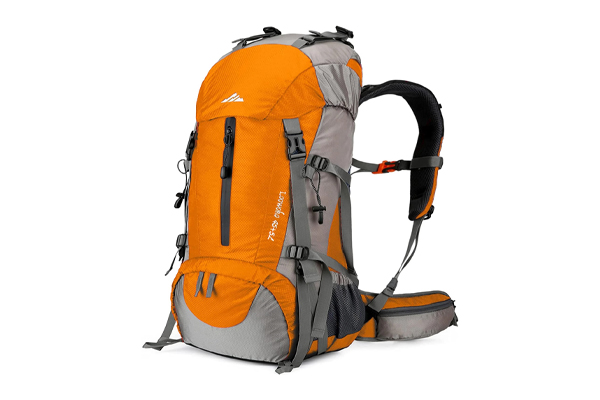
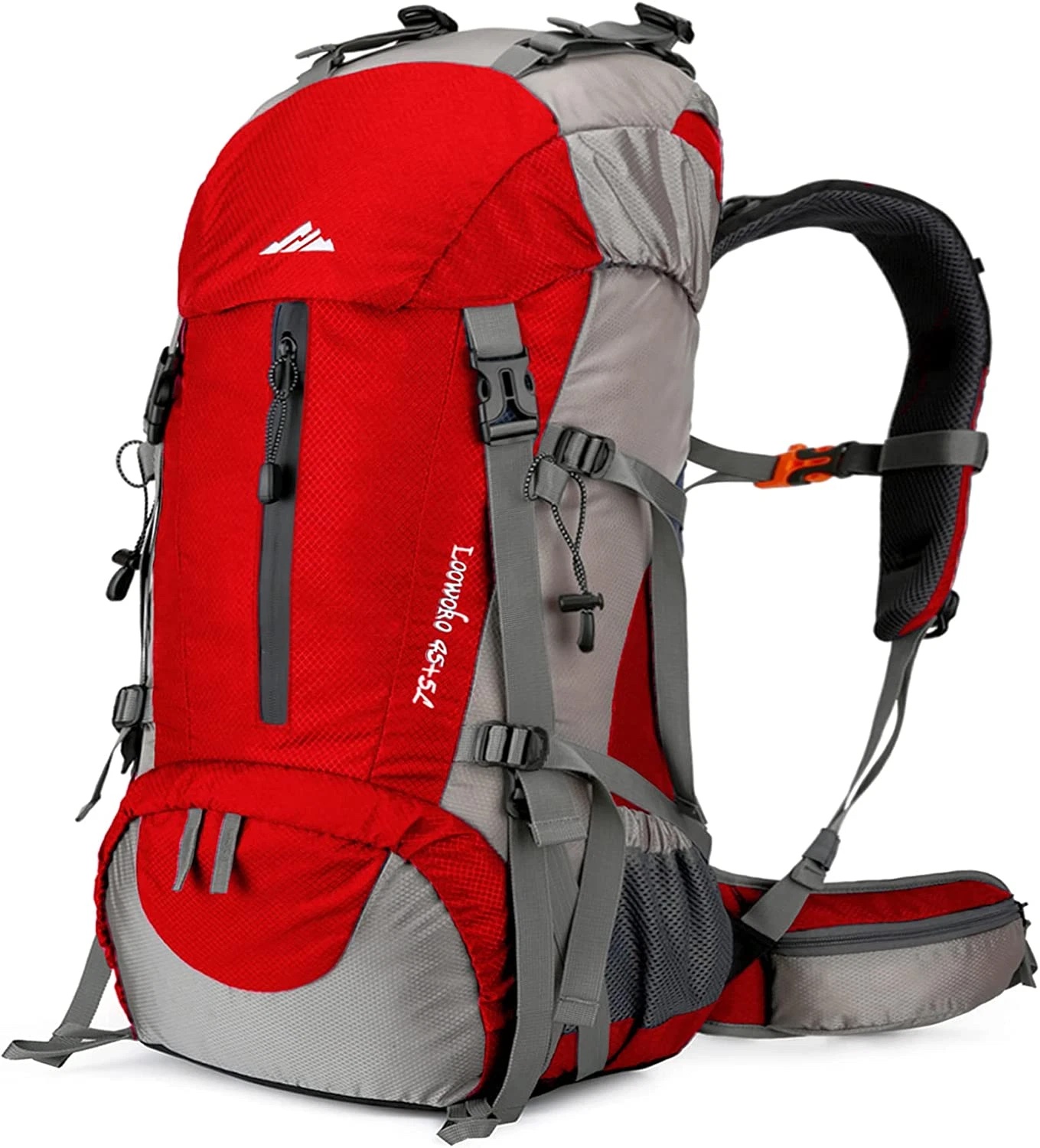
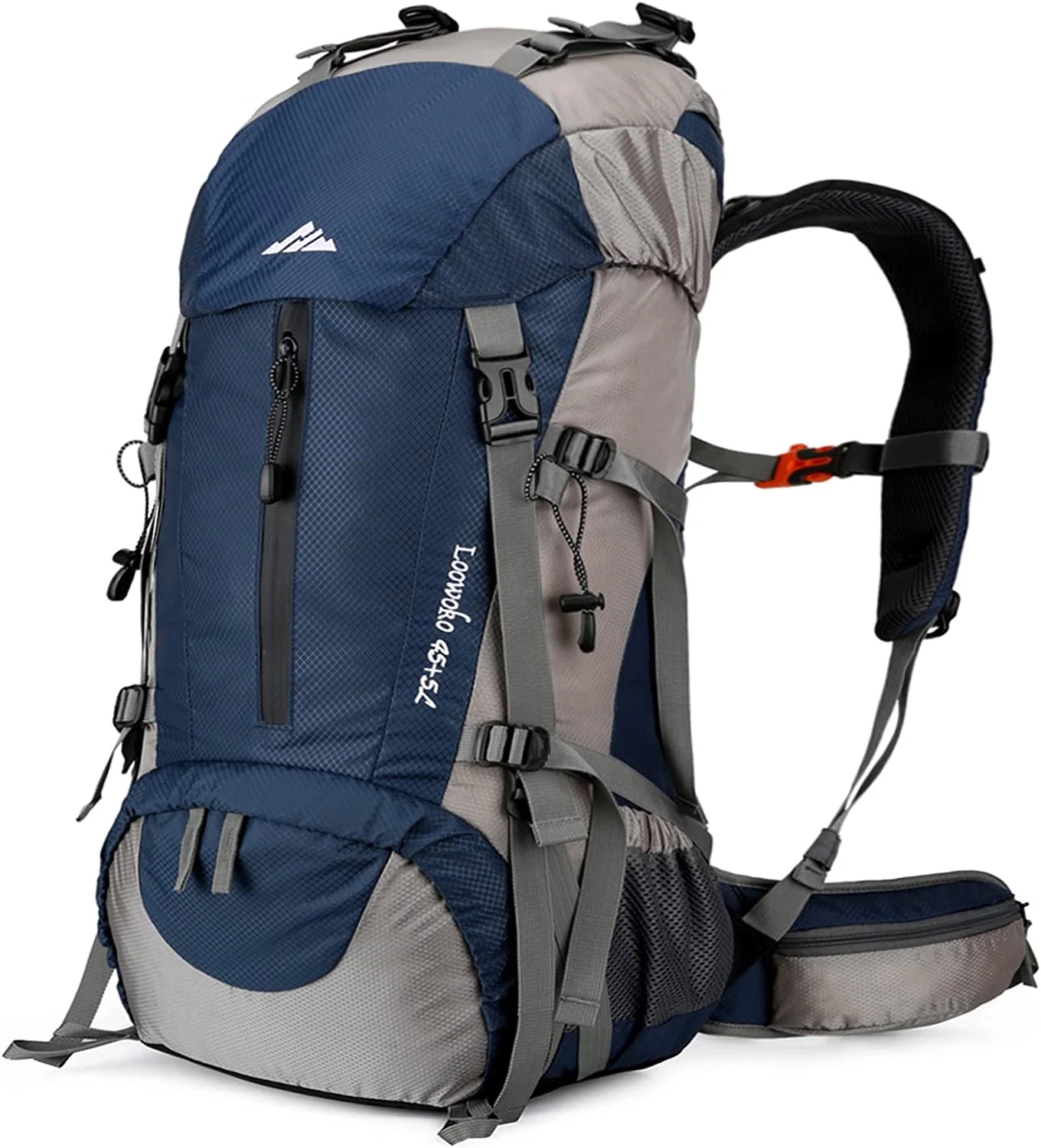
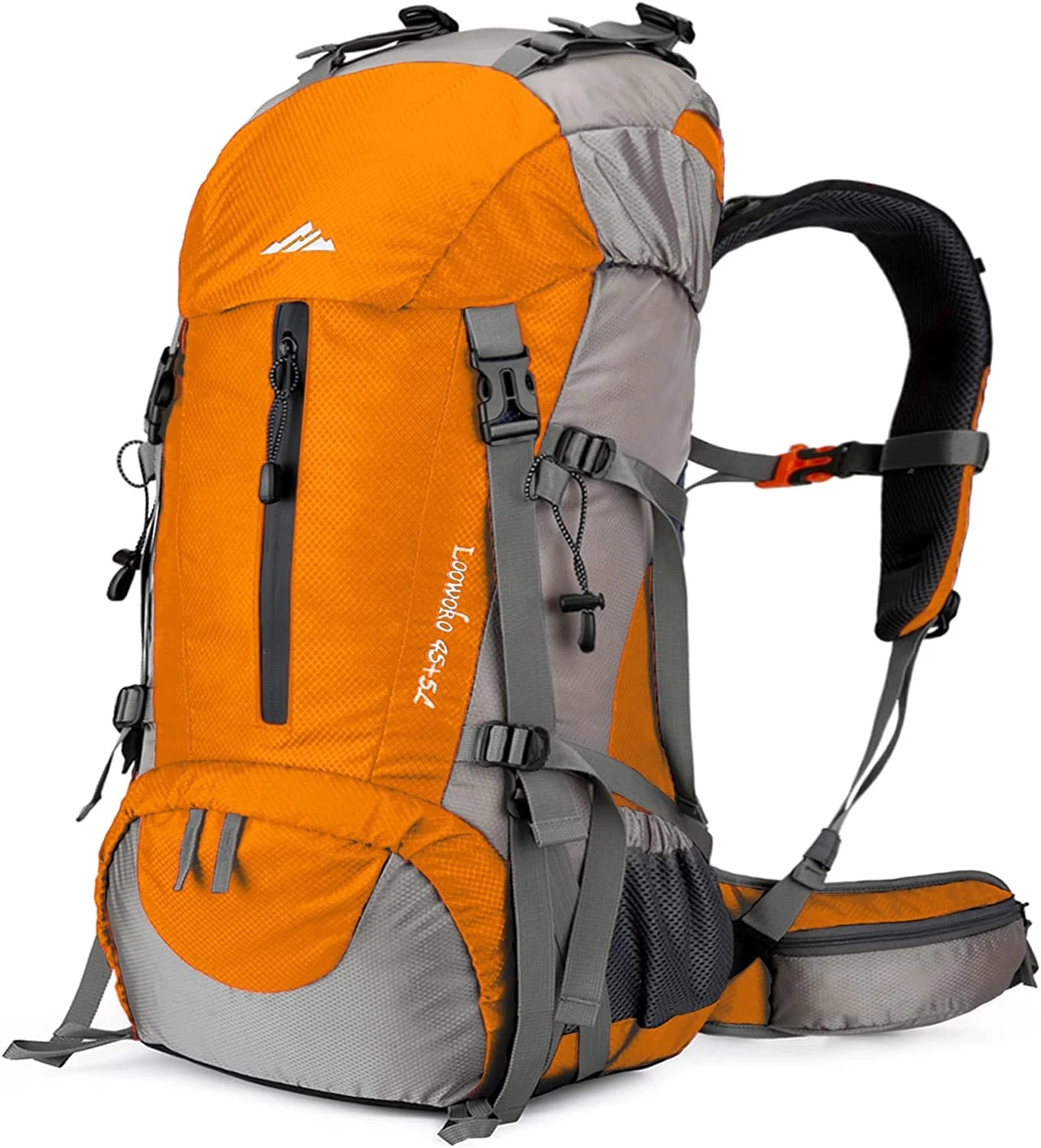
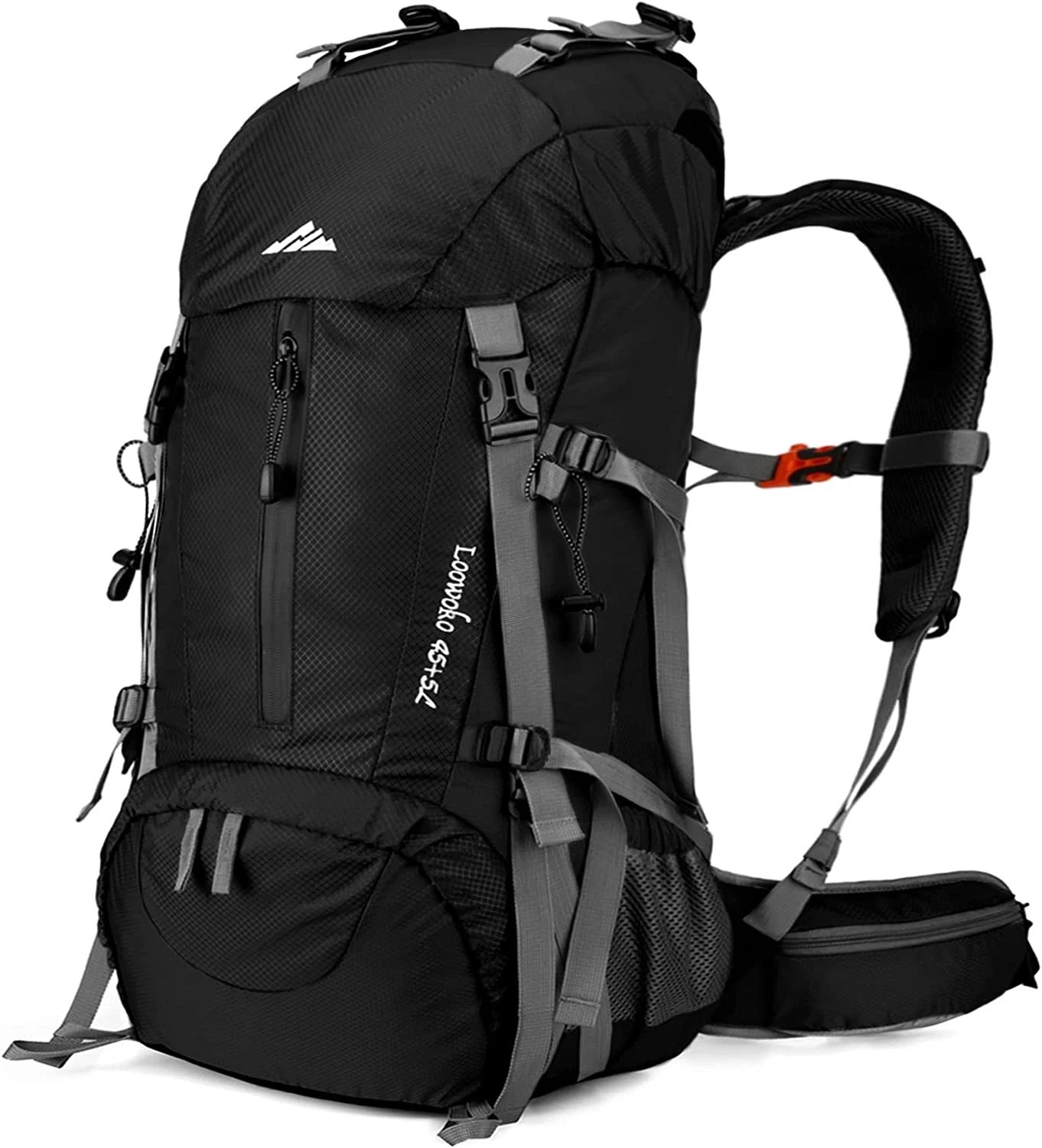
A quality hiking backpack should include:
- Capacity of 20–35 liters
- Comfortable padded shoulder straps
- Adjustable hip belt
- Chest strap
- Breathable back panel
- Rain cover
- Side water bottle pockets
- Hydration bladder compatibility
- Trekking pole attachments
- Multiple compartments
These features improve comfort and organization during long hiking days.
Waterproofing Your Day Pack
Even if your backpack has a rain cover, protect your gear by using:
- Dry bags
- Waterproof stuff sacks
- Zip-lock bags for electronics
- Waterproof document pouch
Keeping your spare clothing dry is essential.
Summit Night Packing
Summit night is the coldest part of the climb.
Pack extra items such as:
- Heavy insulated jacket
- Extra gloves
- Spare hat
- Headlamp with spare batteries
- Extra snacks
- Hot water bottle (if provided)
- Additional socks
Your summit day pack will usually be slightly heavier than on other days.
What Goes in the Porter Bag Instead?
Your porter carries your larger duffel bag, which typically contains:
- Sleeping bag
- Extra clothing
- Camp shoes
- Toiletries
- Spare gear
- Travel documents (if appropriate)
- Laundry bag
You won't have access to this bag during the day's hike.
Packing Tips
Organize your backpack like this:
Top Pocket
- Sunscreen
- Lip balm
- Snacks
- Camera
- Map
- Sunglasses
Main Compartment
- Warm jacket
- Rain jacket
- Fleece
- Water
Side Pockets
- Water bottles
- Trekking poles (when not in use)
Keeping frequently used items easily accessible saves time on the trail.
Common Mistakes
Avoid these common errors:
- Carrying too much weight
- Forgetting rain gear
- Not waterproofing clothing
- Packing valuable items loosely
- Bringing unnecessary equipment
- Ignoring hydration
A well-packed day pack makes the trek much more enjoyable.
Frequently Asked Questions
Do porters carry my day pack?
No. You carry your own day pack throughout the climb.
What size backpack is best?
A 20–35 liter hiking backpack is ideal for most climbers.
Should I use a hydration bladder?
Yes. Many climbers find hydration bladders convenient because they allow you to drink while walking.
Is a rain cover necessary?
Yes. Even during the dry season, afternoon rain showers are possible.
Can I carry my camera?
Absolutely. Just keep it protected from rain, dust, and cold temperatures.
Expert Tips from Kilimanjaro Guides
Experienced guides recommend:
- Keep your backpack organized every morning.
- Pack heavier items close to your back for better balance.
- Store snacks where you can easily reach them.
- Always carry extra water.
- Wear your backpack correctly using both the hip belt and chest strap.
- Test your backpack during training hikes before your trip.
Final Thoughts
Your Kilimanjaro day pack is your constant companion on the mountain. Choosing a comfortable 20–35 liter backpack and packing only the essentials will make each day more enjoyable while helping you stay prepared for changing weather and trail conditions.
A lightweight, organized day pack allows you to focus on the incredible landscapes, wildlife, and the unforgettable journey to Uhuru Peak.