Climbing Mount Kilimanjaro is an unforgettable adventure, but the mountain's weather can change in minutes. Sunshine in the morning can quickly turn into heavy rain, mist, or snow at higher elevations. Because of these unpredictable conditions, keeping your gear dry is one of the most important parts of preparing for a successful climb.
Wet clothing, soaked sleeping bags, and damp electronics can make your trek uncomfortable and even dangerous. Whether you are climbing during the dry season or the rainy season, protecting your gear should always be a top priority.
Why Keeping Your Gear Dry on Mt Kilimanjaro Is So Important
A dry backpack is more than just a convenience it plays a major role in your safety, health, and overall climbing experience.
When your clothes become wet, they lose much of their ability to keep you warm. As you gain altitude, temperatures drop dramatically, especially during the summit push when they can fall well below freezing. Wearing damp clothing increases the risk of becoming cold and can make it much harder to continue climbing comfortably.
Your sleeping bag is another essential item that must remain dry. After spending long hours hiking through changing weather, a dry sleeping bag helps you recover and stay warm overnight. A wet sleeping bag can lead to poor sleep and make the following day's trek much more challenging.
Keeping your equipment dry also protects expensive items such as cameras, smartphones, batteries, power banks, GPS devices, and travel documents. Water damage can leave you without communication, navigation, or the ability to capture memories from your Kilimanjaro adventure.
Most importantly, staying dry improves morale. When your gear is organized, dry, and ready for each day, you remain comfortable, confident, and focused on reaching Uhuru Peak.
Weather Conditions on Mount Kilimanjaro
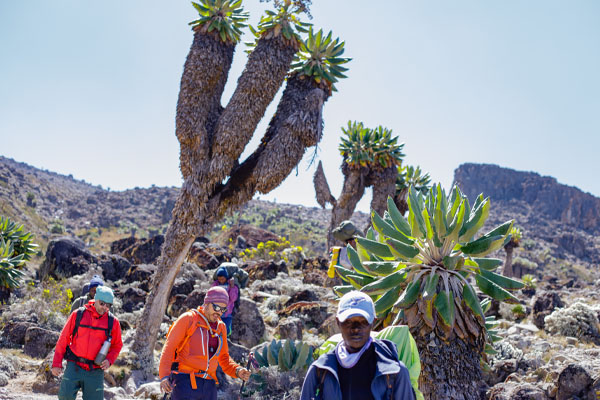
Mount Kilimanjaro has several climate zones, ranging from rainforest at the base to alpine desert and arctic conditions near the summit. Rain is common in the lower rainforest zone, while mist and condensation can occur throughout much of the climb.
Even during the dry seasons, brief rain showers are still possible. This means every climber should prepare for wet conditions regardless of the month they choose to climb.
Tips to Protect Your Gear from Rain on Mt Kilimanjaro
Protecting your equipment doesn't require complicated techniques. A few simple precautions can keep your belongings dry throughout the expedition.
Use Waterproof Dry Bags
One of the best ways to organize and protect your equipment is by packing everything inside waterproof dry bags. Separate your clothing into different dry bags so that if one becomes damp, the rest of your gear remains protected.
Line Your Duffel Bag
Before packing, place a large heavy-duty waterproof liner inside your duffel bag. Even if the outer bag becomes wet during transport, the contents inside will stay dry.
Pack Important Items in Zip Bags
Store your passport, money, phone, batteries, travel insurance documents, and other valuables in waterproof zip-lock bags for an extra layer of protection.
Always Use a Rain Cover
Your daypack should always have a fitted waterproof rain cover. Even during clear weather, keep it accessible because mountain conditions can change quickly.
Choose Waterproof Clothing
Invest in a quality waterproof jacket and waterproof over-trousers made with breathable materials. These help keep rain out while allowing moisture from sweat to escape, keeping you comfortable throughout the hike.
Keep Spare Clothes Dry
Always pack a complete set of dry clothes that you never wear during the day's hike. Changing into dry clothing at camp each evening greatly improves comfort and helps your body recover.
Protect Your Electronics
Store cameras, phones, batteries, and charging equipment inside waterproof pouches or dry bags. Batteries also perform better when kept warm and dry, especially during the cold summit night.
Smart Packing Makes a Big Difference
How you pack is just as important as what you pack. Organize your gear so that frequently used items like rain jackets, gloves, and rain covers are easy to reach without opening your entire backpack.
Avoid leaving clothing exposed outside your backpack where it can quickly become soaked. Keeping your equipment neatly packed also helps your guides and porters handle your luggage more efficiently.
Your Porter Helps But Waterproofing Is Still Your Responsibility
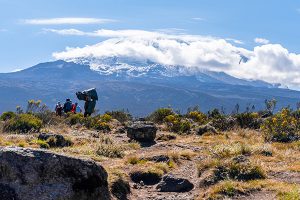
On Kilimanjaro, porters carefully carry your duffel bag between camps. While professional climbing crews do their best to protect your luggage, they cannot control sudden downpours or difficult trail conditions.
Using waterproof liners and dry bags ensures your belongings remain protected throughout the journey, even if the outside of your duffel bag gets wet.
Don't Forget the Summit Night
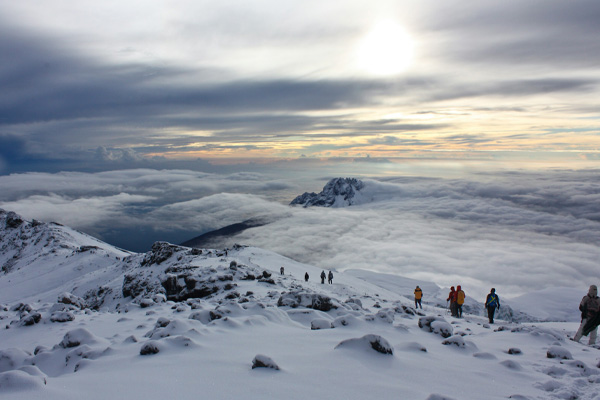
Summit night is the coldest part of the climb. Temperatures often drop below freezing, and strong winds can make conditions feel even colder. Wearing dry thermal layers, dry gloves, and dry socks can make a significant difference in both comfort and performance.
Having dry clothing reserved specifically for summit night is one of the best decisions you can make during your Kilimanjaro preparation.
Final Thoughts
Keeping your gear dry on Mt Kilimanjaro is one of the simplest ways to improve your comfort, safety, and chances of reaching the summit. A little preparation before your climb can prevent major problems on the mountain.
By using waterproof dry bags, packing carefully, protecting your electronics, and carrying reliable rain gear, you'll stay warmer, sleep better, and enjoy every step of your journey to Africa's highest peak.
Whether you're climbing the Machame, Lemosho, Marangu, Rongai, or Northern Circuit route, dry gear will help you stay focused on what truly matters reaching the Roof of Africa with confidence and unforgettable memories.