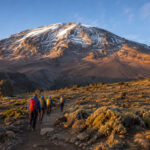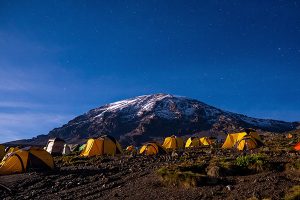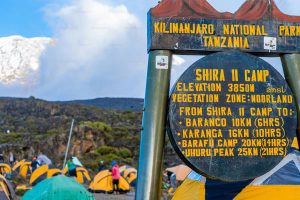
Mount Kilimanjaro is one of the safest high-altitude mountains in the world and attracts more than 50,000 climbers every year from every continent. Standing at 5,895 meters (19,341 feet), it offers a non-technical climb that does not require mountaineering skills, ropes, or previous climbing experience. While reaching the summit is achievable for many people, safety should always be the highest priority.
The mountain's greatest challenge is not steep terrain or dangerous cliffs but its high altitude. Most climbers who experience difficulties do so because they ascend too quickly or underestimate the effects of altitude sickness. With proper planning, professional guides, quality equipment, and enough time for acclimatization, the vast majority of climbers complete their adventure safely.
This guide explains everything you need to know about staying safe before, during, and after your Mount Kilimanjaro climb.
Is Mount Kilimanjaro Safe to Climb?
Yes, Mount Kilimanjaro is considered one of the safest major mountains in the world. Unlike many famous peaks, Kilimanjaro does not require technical climbing or the use of ice axes, harnesses, or ropes on normal routes. Climbers simply walk from the base to the summit over several days.
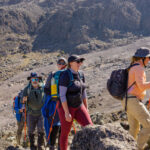
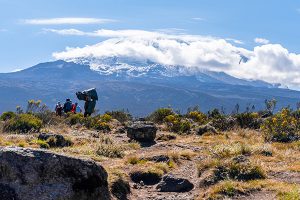
The Tanzania National Parks Authority (TANAPA) requires every climber to be accompanied by licensed mountain guides. These professional guides are trained in first aid, altitude awareness, emergency response, and mountain safety. Porters carry camping equipment and luggage, allowing climbers to conserve energy during the trek.
Although the mountain is safe, climbers must respect its altitude. Every year, some climbers develop severe altitude sickness because they attempt shorter itineraries or ignore symptoms. Choosing an experienced operator and allowing enough days for acclimatization significantly reduces these risks.
Understanding the Biggest Safety Risk: Altitude Sickness
Altitude sickness is the most common challenge on Mount Kilimanjaro. As climbers ascend, the amount of oxygen available decreases, making it harder for the body to function normally. At Uhuru Peak, the oxygen level is roughly half of what it is at sea level.
Most climbers experience mild symptoms such as headaches, fatigue, loss of appetite, or difficulty sleeping. These symptoms are common and often improve with rest, hydration, and a slow pace.
In some cases, altitude sickness can become serious. Severe forms include High Altitude Pulmonary Edema (HAPE), where fluid accumulates in the lungs, and High Altitude Cerebral Edema (HACE), where the brain swells due to low oxygen. These conditions are medical emergencies and require immediate descent.
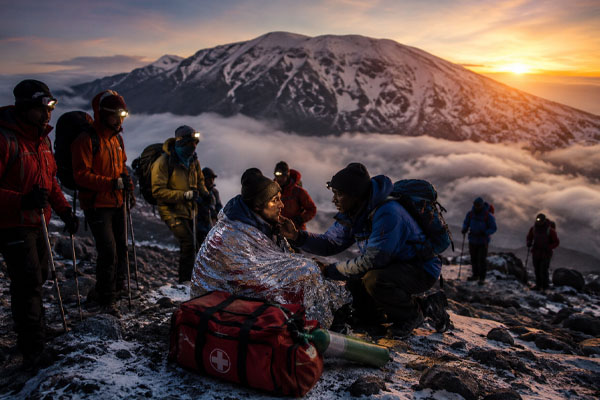
Professional guides monitor climbers every day by checking symptoms, asking health questions, and measuring oxygen saturation levels with pulse oximeters. If a climber shows signs of severe altitude sickness, guides will begin an immediate descent to lower altitude.
Why Choosing More Climbing Days Improves Safety
One of the biggest factors affecting safety is the number of days spent on the mountain.
A five-day itinerary may seem attractive because it costs less and takes less time, but it provides limited opportunity for acclimatization. Climbers have less time to adjust to decreasing oxygen levels, increasing the risk of altitude sickness.
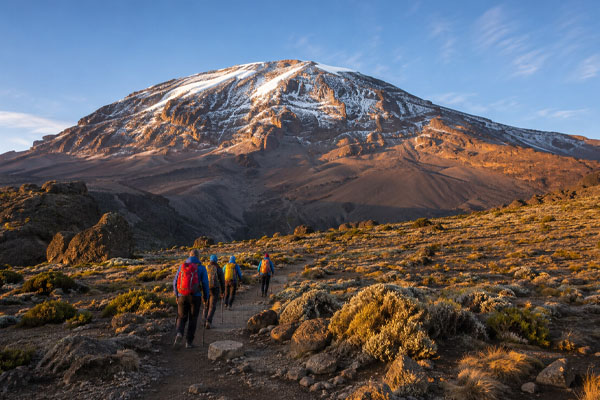
Longer routes such as seven-day or eight-day itineraries allow the body to adapt gradually. These routes generally have much higher summit success rates because climbers sleep at progressively higher elevations before attempting the summit.
The principle of "climb high, sleep low" is used on several routes to improve acclimatization and reduce health risks.
Professional Guides Play a Critical Rol
Licensed mountain guides are the backbone of Kilimanjaro safety. Every climb is led by trained professionals who understand mountain weather, altitude sickness, emergency procedures, and evacuation protocols.
Experienced guides constantly observe each climber's pace, breathing, appetite, and overall condition. They encourage slow walking, often using the Swahili phrase "Pole Pole," meaning "slowly slowly." Walking slowly helps the body conserve energy while adapting to altitude.
Guides also coordinate the work of assistant guides, cooks, and porters to ensure climbers remain comfortable and healthy throughout the expedition.
Daily Health Monitoring on the Mountain
Health checks are a standard part of every professionally organized climb.
Each morning and evening, guides evaluate climbers for symptoms of altitude sickness. Many operators use pulse oximeters to measure blood oxygen saturation and heart rate. While these readings alone do not determine whether someone should continue climbing, they provide valuable information alongside symptom assessments.
Guides also ask about headaches, dizziness, nausea, appetite, sleep quality, and energy levels. Honest communication is essential because hiding symptoms can lead to dangerous situations later in the climb.
Weather Conditions and Staying Safe
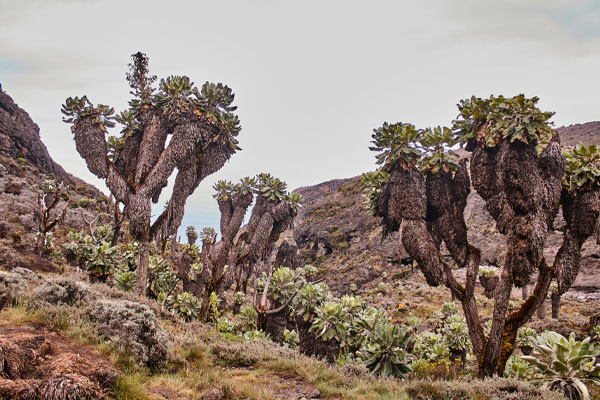
Mount Kilimanjaro passes through several climate zones, beginning with tropical rainforest and ending in an arctic summit environment. Temperatures can change dramatically within a single day.
At lower elevations, warm temperatures and occasional rain are common. Higher on the mountain, strong winds, freezing temperatures, and snow may occur even during the dry season. Summit night often brings temperatures between -10°C and -20°C (14°F to -4°F), depending on weather conditions.
Proper clothing protects climbers from hypothermia, frostbite, and excessive heat loss. Dressing in layers allows quick adjustments as temperatures change throughout the day.
Essential Clothing for Safety
Proper clothing is more than a matter of comfort; it is an important part of staying safe on the mountain.
A moisture-wicking base layer keeps sweat away from the skin. An insulating fleece or down jacket provides warmth at higher elevations, while a waterproof outer shell protects against rain and wind. Warm gloves, thermal socks, insulated boots, and a winter hat become especially important during summit night.
Avoid cotton clothing because it absorbs moisture and increases heat loss.
Hydration and Nutrition
Staying hydrated is one of the simplest ways to reduce the effects of altitude. Climbers should drink several liters of water each day, even if they do not feel thirsty. Dehydration can worsen headaches, fatigue, and other symptoms of altitude sickness.
Nutritious meals prepared by mountain cooks provide the calories needed for long trekking days. Even when appetite decreases at higher elevations, eating regular meals helps maintain strength and energy.
Many climbers also carry energy bars, dried fruit, nuts, and electrolyte drinks for additional nutrition during the trek.
Physical Fitness and Safety
Although Kilimanjaro does not require technical climbing, good physical fitness greatly improves safety and enjoyment.
Regular hiking, walking, running, cycling, swimming, or gym training before the climb helps prepare the heart, lungs, and muscles for several consecutive days of trekking.
However, it is important to understand that even elite athletes can develop altitude sickness. Fitness improves endurance but does not provide immunity to altitude-related illnesses.
Emergency Rescue Procedures
Despite careful planning, emergencies can occur. Fortunately, Kilimanjaro has established rescue systems to assist climbers when necessary.
If a climber becomes seriously ill, guides immediately begin descending to lower elevations. Most altitude-related problems improve rapidly after descent.
Stretchers are available at various locations on the mountain for evacuation. Some sections of Kilimanjaro also allow specialized rescue vehicles to transport climbers from higher camps to lower elevations when conditions permit.
Helicopter evacuation may be available for severe emergencies depending on weather, insurance coverage, and operational conditions.
Every climber should purchase comprehensive travel insurance that specifically covers trekking above 6,000 meters, emergency evacuation, and medical treatment.
Medical Supplies on the Mountain
Professional operators carry comprehensive first aid kits containing medications and equipment for common mountain emergencies.
Many guide teams also carry emergency oxygen cylinders for temporary treatment while descending. Oxygen should never replace descent but serves as an important emergency measure.
Climbers should bring their own personal medications along with blister treatment, pain relief medication, sunscreen, lip balm, and any prescribed medications recommended by their physician.
Wildlife Safety
Many first-time visitors wonder whether dangerous animals live on Mount Kilimanjaro.
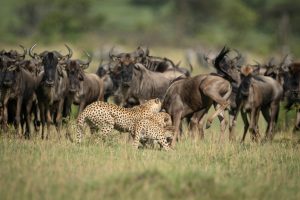
Wildlife encounters are generally limited to the rainforest section of the mountain. Blue monkeys, black-and-white colobus monkeys, colorful birds, and small forest animals are occasionally seen near the lower slopes.
Large predators such as lions and leopards are extremely rare along established climbing routes. Dangerous wildlife encounters are virtually unheard of during normal Kilimanjaro expeditions.
Camp Safety
Mountain camps are designed to provide safe overnight accommodation for climbers.
Tents should always remain zipped to keep out insects, cold air, and dust. Personal belongings should be organized carefully to avoid losing equipment in the dark.
Headlamps are essential for moving around camp during early mornings and summit night. Climbers should avoid wandering away from camp without informing their guide.
Listening carefully to guide instructions helps maintain safety throughout the expedition.
Hygiene and Health
Maintaining personal hygiene reduces the risk of illness during the climb.
Many climbers use wet wipes, hand sanitizer, biodegradable soap, and small towels because shower facilities are unavailable on most routes.
Hands should be cleaned before meals and after using toilet facilities. Drinking only purified or treated water also helps prevent stomach illnesses.
Good hygiene supports overall health, especially during multi-day expeditions.
Mental Preparation
Safety on Kilimanjaro is not only physical but also mental.
The climb involves long hiking days, changing weather, limited comforts, and an early morning summit attempt that often begins around midnight. Maintaining a positive attitude, staying patient, and focusing on one step at a time help climbers overcome physical and emotional challenges.
Many successful climbers reach the summit not because they are the strongest but because they remain determined, calm, and consistent throughout the journey.
Choosing a Reputable Tour Operator
The quality of your tour operator directly influences your safety.
Experienced companies employ licensed guides, maintain quality camping equipment, provide nutritious meals, carry emergency oxygen, conduct daily health monitoring, and follow responsible evacuation procedures.
Before booking, travelers should review customer feedback, verify safety standards, and ensure the company follows ethical porter treatment guidelines.
A reputable operator invests heavily in guide training, equipment maintenance, and emergency preparedness.
Safety Tips for Summit Night
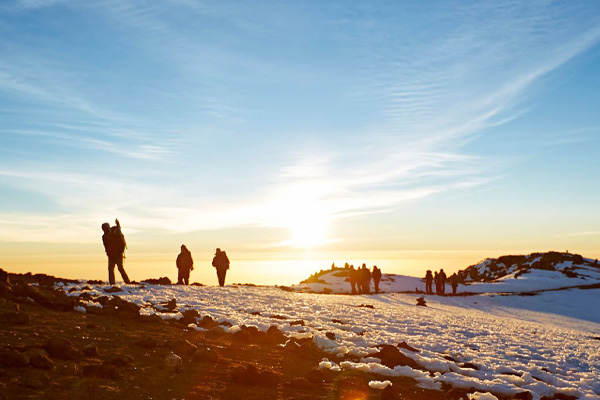
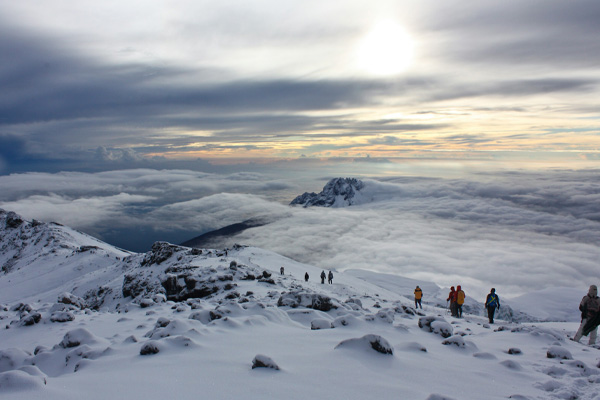
Summit night is the most demanding part of the Kilimanjaro climb. Climbers begin hiking around midnight so they can reach Uhuru Peak at sunrise. Temperatures are at their lowest, and oxygen levels are at their lowest because of the high elevation.
Moving slowly, staying warm, drinking water regularly, and following the guide's instructions are essential. Many climbers feel tired, cold, or experience mild headaches during the ascent. These symptoms are common, but any severe dizziness, confusion, inability to walk properly, or difficulty breathing should be reported immediately.
Taking frequent short breaks instead of long rests helps keep the body warm while maintaining a steady rhythm toward the summit.
Travel Insurance Is Essential
Comprehensive travel insurance is one of the most important safety preparations before climbing Mount Kilimanjaro. Standard travel insurance policies may not cover high-altitude trekking, so it is important to choose a policy that specifically includes trekking up to at least 6,000 meters, emergency medical treatment, rescue services, and evacuation.
Having appropriate insurance provides peace of mind and ensures that emergency assistance can be arranged quickly if needed.
Can Children and Older Adults Climb Safely?
Many people assume that only young athletes can climb Mount Kilimanjaro, but climbers of various ages successfully reach the summit every year.
Children who meet the minimum age requirements and are physically prepared can climb safely with experienced guides. Likewise, many climbers in their sixties and seventies have completed the trek successfully. The most important factors are good health, proper preparation, gradual acclimatization, and choosing an itinerary with enough time for altitude adjustment.
Anyone with pre-existing medical conditions should consult a healthcare professional before planning the climb.
Environmental Safety and Responsible Climbing
Protecting Mount Kilimanjaro's fragile environment is part of staying safe and ensuring future generations can enjoy the mountain. Climbers should avoid littering, remain on established trails, and follow all park regulations. Responsible waste management, respect for wildlife, and minimizing environmental impact help preserve the mountain's unique ecosystems.
Many tour operators also promote sustainable tourism by using eco-friendly practices and supporting local communities through responsible employment of guides and porters.
Final Thoughts
Mount Kilimanjaro is a remarkable adventure that combines breathtaking scenery with the challenge of standing on Africa's highest point. Although the mountain presents real risks due to its altitude, it is considered one of the safest high mountains in the world when climbed responsibly.
Success and safety depend on choosing a reputable operator, allowing sufficient time for acclimatization, listening to experienced guides, staying hydrated, wearing appropriate clothing, maintaining honest communication about your health, and respecting the mountain's conditions. With proper preparation and the right support team, thousands of climbers safely reach Uhuru Peak every year and return home with unforgettable memories of one of the world's greatest trekking experiences.
Frequently Asked Questions About Mount Kilimanjaro Safety
Is Mount Kilimanjaro dangerous?
Mount Kilimanjaro is generally safe for well-prepared climbers. The primary risk is altitude sickness rather than technical climbing hazards.
What is the biggest safety concern on Kilimanjaro?
The biggest safety concern is altitude sickness caused by the rapid gain in elevation and reduced oxygen levels.
Do I need climbing experience?
No. Mount Kilimanjaro is a trekking mountain, and no technical climbing skills are required.
How can I reduce the risk of altitude sickness?
Choose a longer route, walk slowly, stay hydrated, eat well, and follow your guide's advice.
Are guides required?
Yes. Tanzanian regulations require all climbers to be accompanied by licensed guides.
Is emergency rescue available?
Yes. Rescue procedures include guided descent, stretchers, rescue vehicles on accessible routes, and helicopter evacuation in some emergencies.
Is oxygen carried on the mountain?
Many reputable operators carry emergency oxygen cylinders as part of their safety equipment.
What should I do if I feel sick?
Inform your guide immediately. Never hide symptoms, as early treatment is the safest approach.
Is travel insurance necessary?
Yes. You should have insurance that covers high-altitude trekking and emergency evacuation.
What is the safest route on Kilimanjaro?
Routes such as the Lemosho Route and the Northern Circuit are considered among the safest because they provide excellent acclimatization opportunities and higher summit success rates.