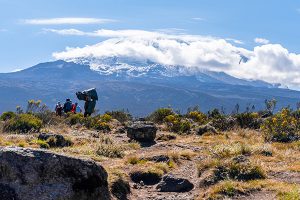
Joining a Mount Kilimanjaro group climb is one of the most affordable and enjoyable ways to reach the highest mountain in Africa. Every year, thousands of climbers from around the world choose scheduled group departures instead of private expeditions because they offer lower costs, the opportunity to meet like-minded adventurers, and the motivation that comes from climbing together. Whether you are traveling alone, with a friend, or as a couple, joining an existing group allows you to experience the adventure of a lifetime while sharing unforgettable moments with people from different countries and cultures.
A group climb follows a fixed departure date and itinerary. Instead of booking a private trip, you join other climbers who have reserved the same route and starting date. Professional mountain guides, experienced cooks, and dedicated porters accompany the group throughout the expedition, ensuring everyone enjoys a safe, comfortable, and successful climb.
One of the biggest advantages of joining a group is the atmosphere. Climbers encourage each other during difficult sections of the trek, celebrate each day's achievements together, and often build lifelong friendships. Many travelers begin the expedition as strangers but finish as close friends after sharing several days on Africa's highest mountain.
Why Choose a Mount Kilimanjaro Join Group?
Many international travelers prefer joining a scheduled Kilimanjaro group because it combines affordability with an exceptional climbing experience. The cost of climbing Kilimanjaro can be significant when booking a private expedition, particularly for solo travelers. By sharing transportation, guides, cooks, camping equipment, and support staff with other climbers, group departures reduce the overall cost while maintaining high safety and service standards.
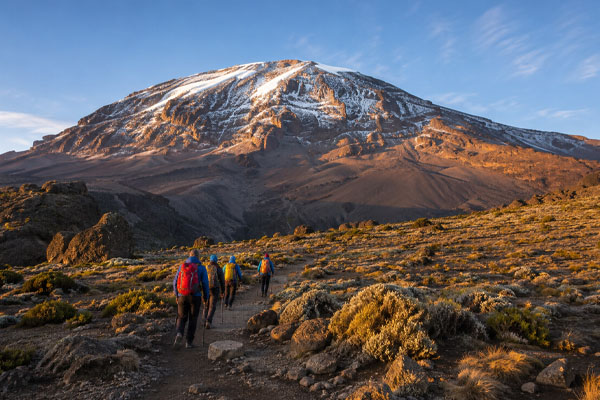
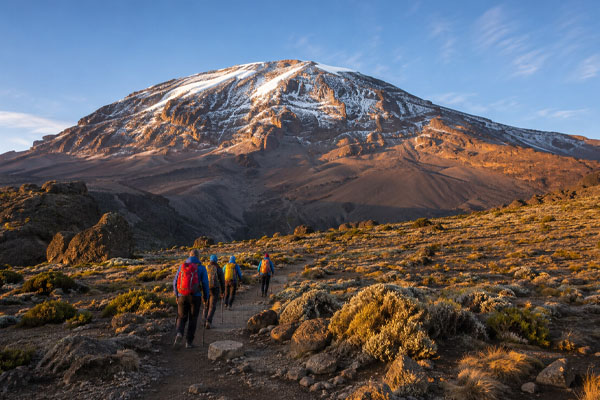
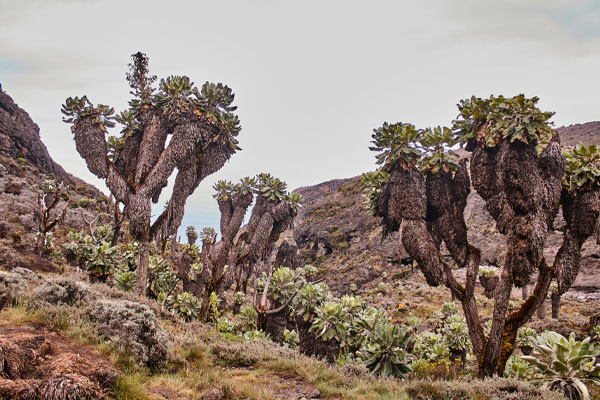
Beyond financial savings, group climbs create an enjoyable social environment. Walking together through rainforests, alpine deserts, and glacier-covered landscapes provides countless opportunities to exchange stories, learn about different cultures, and motivate one another during challenging sections of the climb.
Professional mountain guides carefully monitor every participant's health and pace. They encourage climbers to walk slowly using the famous Swahili phrase "Pole Pole," meaning "slowly, slowly." This gradual pace improves acclimatization and significantly increases the chances of reaching Uhuru Peak successfully.
For solo travelers, group climbs also provide peace of mind. Instead of hiking alone, you'll always have experienced guides and fellow climbers nearby, creating a supportive environment from the first day until the summit celebration.
Who Should Join a Kilimanjaro Group Climb?
Group climbs are suitable for almost anyone with a reasonable level of fitness and a sense of adventure. Solo travelers often choose group departures because they can avoid the additional expense of booking a private climb while enjoying companionship throughout the journey.
Couples also appreciate the lively atmosphere that comes with sharing the mountain experience with other travelers. Many friends choose group climbs because they enjoy meeting new people while pursuing a common goal.
Even first-time trekkers can confidently join a scheduled departure. Kilimanjaro does not require technical climbing skills, ropes, or mountaineering experience. With proper preparation, suitable equipment, and guidance from experienced mountain professionals, beginners successfully reach the summit every year.
Group departures also appeal to travelers who enjoy international experiences. During the climb, it is common to meet participants from Europe, North America, Asia, Australia, the Middle East, and Africa. Sharing stories around the camp after dinner becomes one of the highlights of the expedition.
Mount Kilimanjaro Join Group Departure Date
How Mount Kilimanjaro Join Groups Work
Joining a scheduled group is a straightforward process. Travelers simply choose one of the available departure dates and reserve their space. Once the minimum number of participants has been reached, the departure is confirmed.
Most group sizes range between four and twelve climbers, although larger departures are occasionally organized during peak climbing seasons. Every group is accompanied by licensed mountain guides who are responsible for safety, navigation, health monitoring, and overall coordination throughout the expedition.
Support teams include assistant guides, professional cooks, and porters who carry camping equipment, food supplies, and most luggage. Climbers only need to carry a small daypack containing water, snacks, extra clothing, and personal essentials.
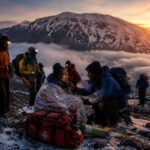
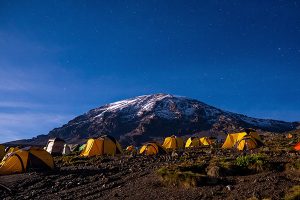
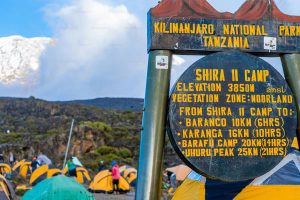
Each evening, the group arrives at camp where tents are already prepared, warm meals are served, and guides conduct daily health checks. These regular assessments help identify early signs of altitude sickness and ensure every participant remains safe throughout the climb.
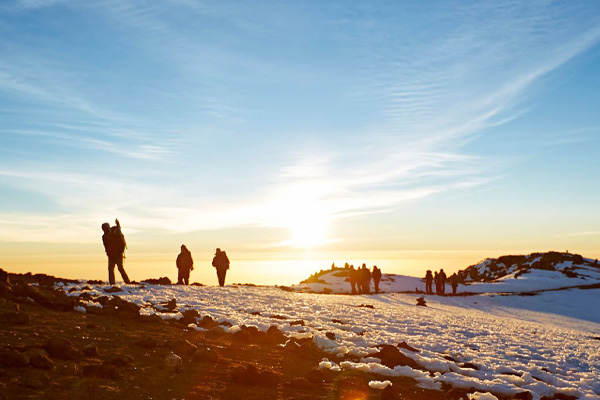
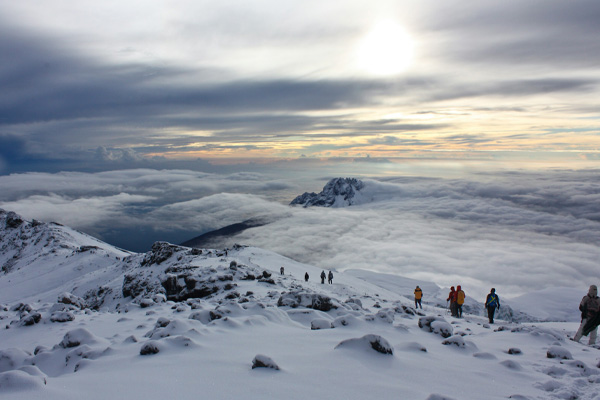
Summit day is the most demanding part of the expedition. The group normally begins hiking shortly before midnight, allowing climbers to reach Uhuru Peak at sunrise. Standing together on Africa's highest point while watching the sun rise above the clouds becomes an unforgettable reward for days of determination and teamwork.
Best Routes for Mount Kilimanjaro Join Groups
Several Kilimanjaro routes offer scheduled group departures throughout the year, each providing a unique climbing experience.
The Machame Route is one of the most popular options for group climbs. Known for its spectacular scenery and excellent acclimatization profile, it combines rainforest, moorland, alpine desert, and glaciers into one unforgettable journey. Many experienced operators recommend the seven-day Machame itinerary because it offers higher summit success rates than shorter versions.
The Lemosho Route is another outstanding choice for group departures. Beginning on Kilimanjaro's western side, it offers quieter trails during the first days before joining the Machame Route. The longer itinerary allows more time for acclimatization, making it one of the most successful routes for reaching Uhuru Peak.
Travelers seeking a less crowded experience often choose the Rongai Route. Approaching Kilimanjaro from the northern side near the Kenyan border, Rongai provides a drier climate and a unique perspective of the mountain. It is particularly attractive during the rainy seasons because the northern slopes generally receive less rainfall.
The Marangu Route remains popular because it is the only route offering mountain huts instead of tents. While comfortable, shorter itineraries on this route provide less time for acclimatization, so many experienced climbers recommend the six-day option rather than five days.
The Northern Circuit is the longest route available. It circles nearly the entire mountain before reaching the summit and offers exceptional scenery, minimal crowds, and one of the highest summit success rates on Kilimanjaro.
Kilimanjaro Group Departure Dates
Scheduled group departures are available throughout the year, allowing travelers to choose dates that match their travel plans and budgets. Most operators publish annual departure calendars several months in advance, making it easy to secure a preferred date.
The busiest climbing periods occur during January through March and June through October when weather conditions are generally favorable and skies are often clear. During these months, departures tend to fill quickly, particularly for the Machame and Lemosho routes.
Some travelers intentionally choose departures during the quieter shoulder seasons because trails are less crowded and campsites offer a more peaceful atmosphere. Although occasional rainfall is possible, many climbers still enjoy successful summit experiences during these periods.
Booking several months in advance is recommended, especially if you plan to climb during peak travel seasons or if you require specific travel arrangements before or after the expedition.
Cost of Joining a Mount Kilimanjaro Group
One of the primary reasons travelers choose group departures is affordability. Sharing operational expenses allows operators to offer lower prices than private climbs while maintaining professional services and safety standards.
The total cost generally depends on the chosen route, the number of climbing days, park fees, camping or hut accommodation, guide services, porter support, meals, transportation, and seasonal demand.
Longer routes such as Lemosho and the Northern Circuit usually cost more because they require additional park fees, extra camping nights, and more logistical support. However, these routes often provide better acclimatization and higher summit success rates, making them an excellent value for many climbers.
Travelers should also budget for international flights, visas, travel insurance, equipment rental if necessary, personal expenses, and guide and porter tips, which are an important part of mountain staff income.
Although joining a group is generally the most economical option, climbers should focus on choosing a reputable operator that prioritizes safety, fair porter treatment, quality equipment, experienced guides, and responsible mountain practices. A successful Kilimanjaro climb depends far more on professional support than simply finding the lowest price.
For many adventurers, a Mount Kilimanjaro join group climb represents the perfect combination of affordability, safety, friendship, and achievement. Standing on Uhuru Peak after several days of teamwork creates memories that last a lifetime, while the friendships formed along the trail often continue long after returning home. Whether you are an experienced trekker or attempting your first high-altitude adventure, joining a scheduled Kilimanjaro group offers an inspiring and rewarding way to conquer Africa's highest mountain.