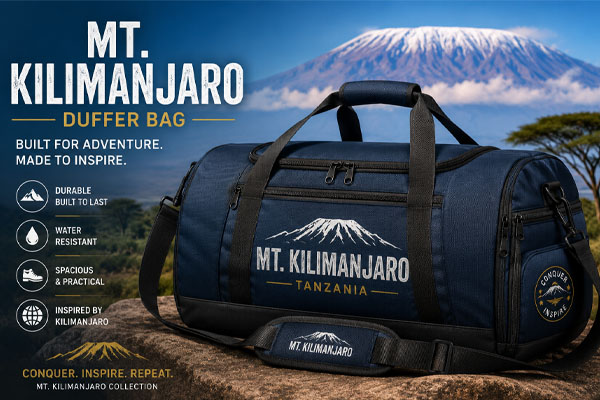
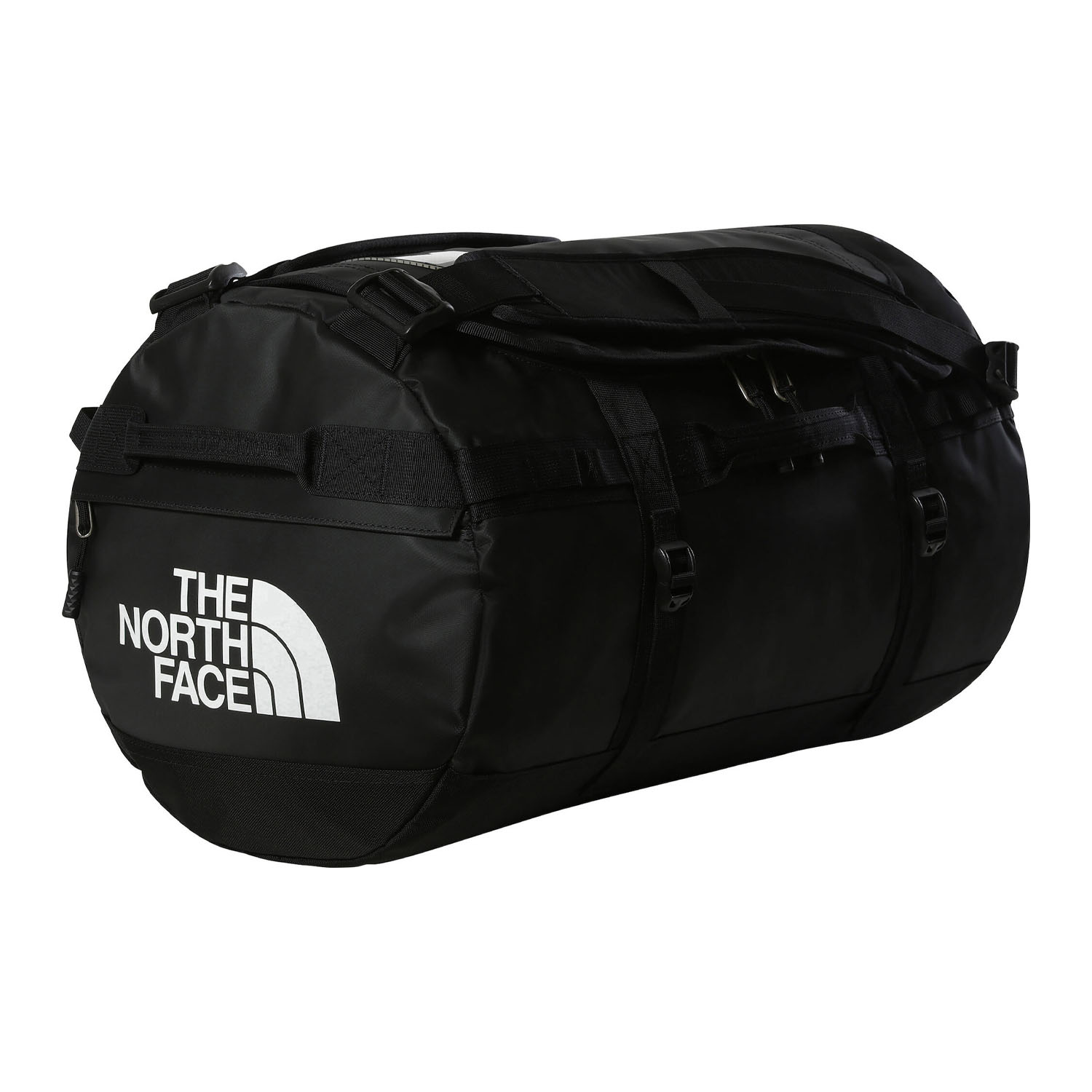
A duffel bag is one of the most important pieces of luggage you'll bring on your Mount Kilimanjaro adventure. Unlike your day pack, which you carry yourself, your duffel bag is carried by porters and contains most of your clothing, sleeping bag, and camping equipment.
Choosing the right duffel bag ensures your gear stays organized, dry, and protected throughout your climb. Since Kilimanjaro's weather can change quickly, a durable and waterproof duffel bag is essential.
This guide explains everything you need to know about selecting, packing, and using a duffel bag for Mount Kilimanjaro.
What Is a Kilimanjaro Duffel Bag?
A duffel bag is your main luggage during the climb.
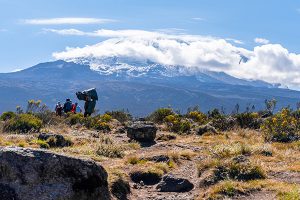
Every morning, porters transport your duffel bag from one campsite to the next while you hike with only your day pack.
By the time you arrive at camp, your duffel bag is already waiting for you inside or near your tent.
Recommended Mount Kilimanjaro duffel bag capacity is 80–90 liters capacity. This size provides enough room for your trekking clothing, sleeping bag, and personal gear while remaining manageable for porters.
Why Do You Need a Duffel Bag?
A duffel bag allows you to pack everything you don't need while hiking.
It typically holds:
- Sleeping bag
- Extra clothing
- Camp shoes
- Toiletries
- Warm jackets
- Gloves and hats
- Spare socks
- Personal items
- Camera accessories
- Charging cables
- Towel
- Laundry bag
Keeping these items in one organized bag makes camp life much easier.
What Size Duffel Bag Is Best?
The ideal size for most Kilimanjaro climbs is:
80–100 liters
This provides enough space for all your gear without becoming overly bulky.
Recommended Sizes
| Capacity | Suitable? |
|---|---|
| 50L | Too small |
| 60L | Small for most climbers |
| 70L | Good for minimalist packers |
| 80L | Excellent |
| 90L | Ideal |
| 100L | Great for cold-season climbs |
| 120L+ | Usually unnecessary |


Porter Weight Limit
Most Kilimanjaro operators follow the park guideline that a porter carries a maximum of 20 kg (44 lbs) of a client's equipment.
This usually includes:
- Your duffel bag
- Sleeping bag (if packed inside)
- Any rented equipment
Always confirm the exact weight allowance with your tour operator before traveling.
Packing within the limit helps ensure a safe and fair workload for the mountain crew.
Should Your Duffel Bag Be Waterproof?
Yes.
Even during the dry season, rain can occur unexpectedly, especially in the rainforest zone.
A waterproof duffel bag or a waterproof duffel combined with heavy-duty dry bags offers the best protection.
If your bag is not fully waterproof, line it with a large waterproof liner and use dry sacks for clothing and electronics.
Soft Duffel vs. Hard Suitcase
Soft Duffel Bag
A soft-sided duffel is the preferred choice because it is:
- Flexible
- Lightweight
- Easy for porters to carry
- Easier to pack into tents and vehicles
- More practical on mountain trails
Hard Suitcase
Hard-shell suitcases are not recommended because they are:
- Heavy
- Bulky
- Difficult for porters to carry
- Unsuitable for rough mountain terrain
For Kilimanjaro, always choose a soft expedition-style duffel.
Features to Look For
A high-quality Kilimanjaro duffel bag should have:
- Capacity of 80–100 liters
- Waterproof or water-resistant fabric
- Reinforced base
- Heavy-duty zippers
- Compression straps
- Multiple grab handles
- Lockable zipper pulls
- Durable stitching
- Lightweight construction
These features improve durability and make transportation easier.
What Should You Pack in Your Duffel Bag?
Your duffel bag should contain everything you won't need while hiking.
Typical contents include:
Clothing
- Base layers
- Hiking trousers
- Fleece jacket
- Down jacket
- Waterproof jacket and pants
- Camp clothes
- Thermal underwear
- Extra socks
- Gloves
- Beanie
- Sun hat
Sleeping Equipment
- Sleeping bag
- Sleeping bag liner
- Pillow (optional)
Camp Items
- Camp shoes or sandals
- Toiletries
- Towel
- Personal hygiene items
Electronics
- Chargers
- Spare batteries
- Power bank
- Camera accessories
Miscellaneous
Travel documents (if advised by your operator)
Laundry bag
Extra snacks
Waterproof bags
Organizing Your Duffel Bag
Packing cubes and dry bags make it easier to find your belongings.
A simple system might include:
- Blue bag – clean clothing
- Red bag – warm layers
- Green bag – toiletries
- Black bag – electronics
This saves time each evening at camp.
How to Keep Your Gear Dry
Mountain weather can be unpredictable.
Protect your gear by:
- Using waterproof stuff sacks
- Packing electronics in zip-lock bags
- Keeping clothing in dry bags
- Closing zippers completely
- Avoiding loose items inside the bag
A dry sleeping bag and dry clothes are essential for comfort and safety.
Duffel Bag vs. Day Pack
Many first-time climbers confuse these two bags.
Duffel Bag
Carried by porters.
Contains:
- Sleeping bag
- Extra clothing
- Camp gear
- Toiletries
- Personal belongings
Day Pack
Carried by you.
Contains:
- Water
- Snacks
- Rain jacket
- Camera
- Sunscreen
- Warm layer
- Personal medication
- Headlamp
Both bags play different but equally important roles during the climb.
Can You Rent a Duffel Bag?
Yes.
Many Kilimanjaro operators offer duffel bags for rent if you don't own one.
Rental bags are typically durable expedition models designed specifically for mountain trekking.
Ask your operator about availability and rental fees when booking your climb.
Common Packing Mistakes
Avoid these mistakes:
- Overpacking
- Exceeding the porter weight limit
- Using a hard suitcase
- Forgetting waterproof liners
- Packing frequently needed items in the duffel instead of the day pack
- Bringing unnecessary clothing
Packing efficiently makes your trek much more enjoyable.
Frequently Asked Questions
What size duffel bag should I bring?
An 80–100 liter waterproof duffel bag is ideal for most Kilimanjaro climbs.
Do porters carry my duffel bag?
Yes. Porters transport your duffel bag between camps while you carry only your day pack.
Can I use a suitcase?
No. Soft duffel bags are strongly recommended over hard-shell suitcases.
Is a waterproof duffel necessary?
Yes. Waterproof protection helps keep your gear dry throughout the trek.
Can I rent a duffel bag in Tanzania?
Yes. Many Kilimanjaro tour operators provide rental duffel bags.
Expert Tips from Kilimanjaro Guides
Experienced mountain guides recommend:
- Label your duffel bag with your name.
- Keep the weight below your operator's limit.
- Use packing cubes to stay organized.
- Place heavier items at the bottom.
- Keep spare clothes in waterproof bags.
- Pack your sleeping bag in its own dry sack.
- Leave extra space for gear you may not need every day.
Final Thoughts
A well-chosen duffel bag is an essential part of every successful Kilimanjaro expedition. An 80–100 liter waterproof duffel bag provides enough room for your clothing, sleeping bag, and camp essentials while remaining easy for porters to carry.
Combined with a properly packed day pack, your duffel bag helps keep your equipment organized, dry, and ready for every stage of the climb. By packing smart and staying within the recommended weight limit, you'll enjoy a smoother, more comfortable journey to the Roof of Africa.