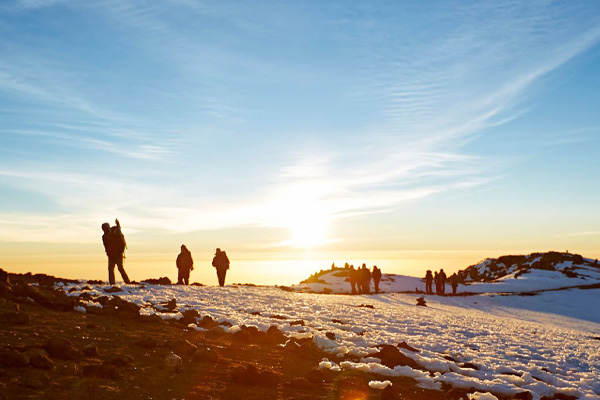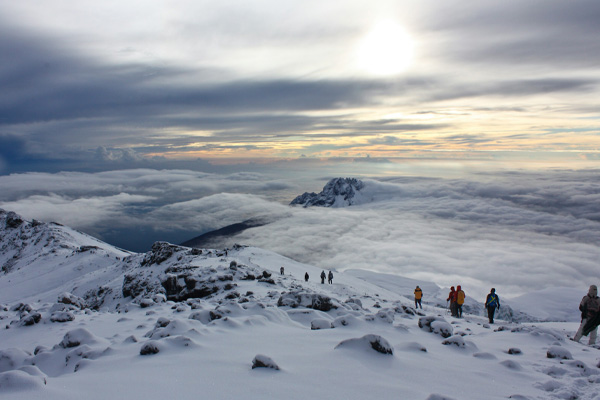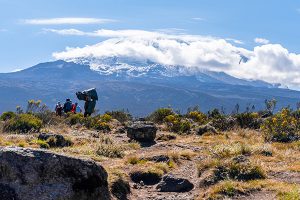
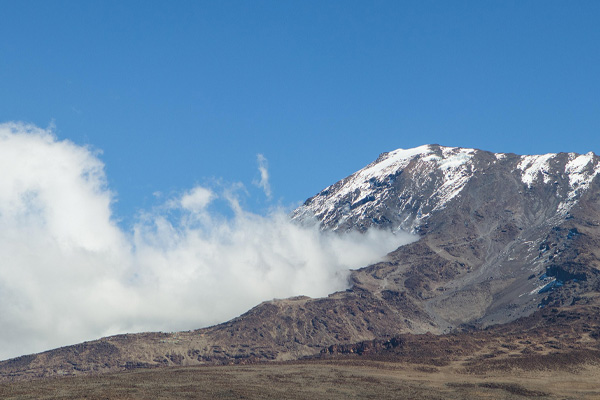
Standing at 5,895 meters (19,341 feet), Mount Kilimanjaro is the tallest mountain in Africa and one of the world’s most famous Sleeping Bag for Mount Kilimanjaro
A high-quality sleeping bag is one of the most important pieces of equipment you'll need when climbing Mount Kilimanjaro. While your guides and porters prepare delicious meals and comfortable camps, your sleeping bag is responsible for keeping you warm throughout the cold mountain nights.
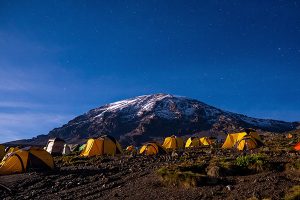
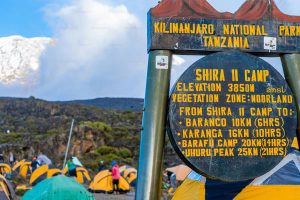
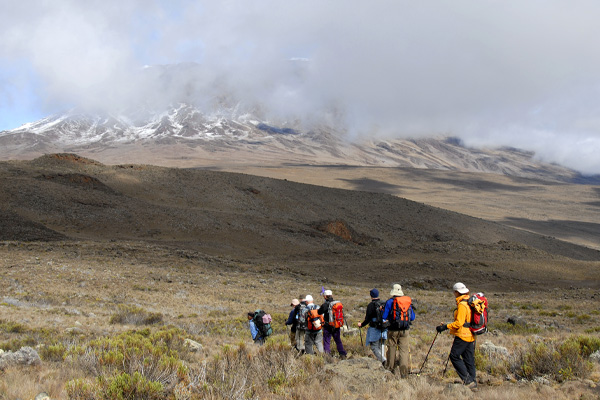
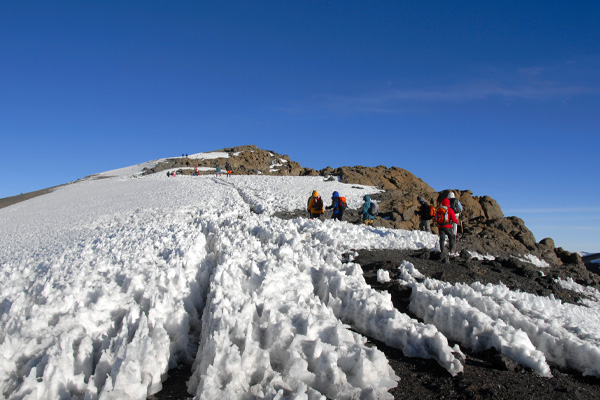
Temperatures on Kilimanjaro can drop well below freezing, especially at higher camps such as Barafu Camp, School Hut, or Kibo Hut. Without the right sleeping bag, you may struggle to sleep, lose body heat, and have less energy for the summit attempt.
This guide explains everything you need to know about choosing the best sleeping bag for Mount Kilimanjaro.
Why Is a Good Sleeping Bag Important?
During a Kilimanjaro climb, you spend between 5 and 9 nights on the mountain depending on your chosen route.
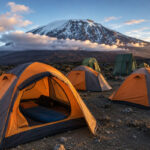
Although the tents provide shelter from wind and rain, they are not heated. Nighttime temperatures commonly range between:
| Camp Elevation | Average Night Temperature |
|---|---|
| 2,700 m | 5°C to 10°C (41°F–50°F) |
| 3,500 m | 0°C to 5°C (32°F–41°F) |
| 4,000 m | -5°C to 0°C (23°F–32°F) |
| 4,600 m | -10°C to -5°C (14°F–23°F) |
| Summit Camps | -15°C to -10°C (5°F–14°F) |
These temperatures vary depending on the season, weather conditions, and wind chill.
A warm sleeping bag helps you:
- Sleep comfortably
- Preserve body heat
- Recover after hiking
- Prevent cold-related discomfort
- Wake up refreshed for the next day's trek
What Temperature Rating Should Your Sleeping Bag Have?
For Kilimanjaro, experienced mountain guides recommend:
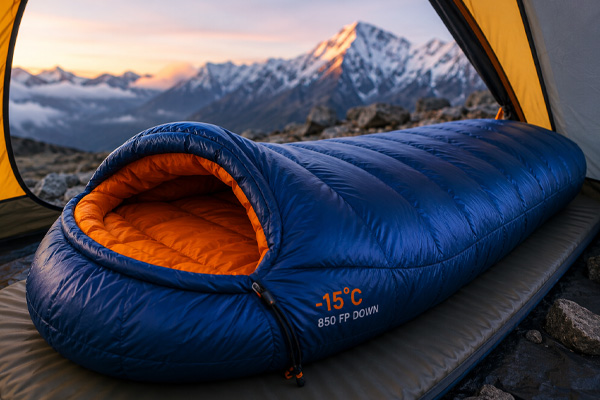
Comfort Rating: -10°C to -15°C (14°F to 5°F)
This temperature rating is ideal for most climbers.
Many first-time climbers mistakenly bring sleeping bags rated for only 0°C or 5°C, which are not warm enough for Kilimanjaro.
Recommended Ratings
| Rating | Suitable? |
|---|---|
| 5°C | ❌ Too warm |
| 0°C | ❌ Not recommended |
| -5°C | ⚠ Acceptable only for warm sleepers |
| -10°C | ✅ Recommended |
| -15°C | ✅ Best choice |
| -20°C | ✅ Excellent for colder months |
Down vs Synthetic Sleeping Bags
There are two main types of sleeping bag insulation.
Down Sleeping Bags
Down insulation comes from duck or goose feathers.
Advantages
- Very warm
- Lightweight
- Compresses easily
- Comfortable
- Longer lifespan
Disadvantages
- More expensive
- Loses insulation if soaked
Down sleeping bags are generally the preferred choice for Kilimanjaro.
Synthetic Sleeping Bags
Synthetic insulation is made from polyester fibers.
Advantages
- Less expensive
- Performs better if damp
- Easier to maintain
Disadvantages
- Heavier
- Bulkier
- Less warmth for the same weight
A quality synthetic sleeping bag is still suitable for Kilimanjaro if it has the correct temperature rating.
Mummy vs Rectangular Sleeping Bags
Mummy Sleeping Bags
✔ Better insulation
✔ Smaller
✔ Lighter
✔ Ideal for mountaineering
Recommended for Kilimanjaro.
Rectangular Sleeping Bags
More spacious but lose heat more quickly.
Not recommended for high-altitude climbing.
Should You Rent or Bring Your Own?
Many climbers wonder whether to rent a sleeping bag in Tanzania or bring one from home.
Bring Your Own If:
- You already own a high-quality sleeping bag.
- You plan future trekking adventures.
- You prefer familiar gear.
Rent One If:
- You climb only once.
- You want to avoid airline baggage.
- Your current sleeping bag isn't warm enough.
Most reputable Kilimanjaro operators offer professional mountain sleeping bags for rent.
What Sleeping Bag Should You Avoid?
Avoid:
- Summer camping sleeping bags
- Cheap supermarket sleeping bags
- Cotton-filled bags
- Old worn-out sleeping bags
- Sleeping bags rated above 0°C
These are designed for mild camping—not freezing alpine conditions.
Sleeping Bag Liner: Is It Necessary?
A sleeping bag liner is highly recommended.
Benefits include:
- Adds 3–8°C of warmth
- Keeps your sleeping bag clean
- Improves comfort
- Easy to wash
- Lightweight
Popular materials include:
- Fleece
- Silk
- Cotton
- Thermal microfiber
Thermal fleece liners provide the most warmth.
How to Stay Warm at Night
Besides choosing the right sleeping bag, follow these tips:
Wear Dry Clothing
Always change into clean, dry thermal layers before sleeping.
Wear a Warm Hat
Much body heat escapes through your head.
A fleece or wool hat helps retain warmth.
Use Thick Socks
Dry wool socks keep your feet warm throughout the night.
Eat Dinner
A warm meal provides energy for your body to generate heat.
Stay Hydrate
Proper hydration improves circulation and helps regulate body temperature.
Fill a Bottle with Hot Water
Many climbers place a hot water bottle inside their sleeping bag before bed.
It keeps the bag warm for several hours.
Packing Your Sleeping Bag
Your sleeping bag should be packed in:
- Waterproof compression sack
- Dry bag
- Waterproof duffel bag
Weather on Kilimanjaro changes quickly, and keeping your sleeping bag dry is essential.
Recommended Sleeping Bag Features
Look for:
- Comfort rating between -10°C and -15°C
- Mummy shape
- Hood with drawcord
- Draft collar
- Draft tube behind zipper
- Lightweight design
- Water-resistant outer fabric
- Compression sack included
Can You Sleep Comfortably on Kilimanjaro?
Yes.
Most climbers sleep surprisingly well during the lower days of the trek.
As altitude increases, sleep becomes lighter due to reduced oxygen levels, but a warm sleeping bag significantly improves comfort and recovery.
Frequently Asked Questions
Do I need a sleeping bag on Kilimanjaro?
Yes. Every climber requires a sleeping bag unless climbing the Marangu Route, where mountain huts provide mattresses but not sleeping bags.
What is the best temperature rating?
A comfort rating of -10°C to -15°C is ideal.
Can I rent a sleeping bag in Tanzania?
Yes. Most reputable Kilimanjaro operators provide high-quality mountain sleeping bags for rent.
Should I use a sleeping bag liner?
Yes. A liner adds warmth, improves hygiene, and extends the life of your sleeping bag.
Is a down sleeping bag better?
Generally, yes. Down sleeping bags are lighter, warmer, and easier to pack than synthetic alternatives.
Will I be cold at night?
With the correct sleeping bag, thermal clothing, and sleeping pad, most climbers remain warm and comfortable.
Expert Tips from Kilimanjaro Guides
Experienced guides recommend:
- Test your sleeping bag before your trip.
- Pack it in a waterproof compression sack.
- Wear clean thermal layers to bed.
- Keep a warm hat and gloves nearby.
- Avoid breathing inside the sleeping bag, as moisture can reduce insulation.
- Use a sleeping bag liner for extra warmth.
- Drink something warm before sleeping if available.
Final Thoughts
Your sleeping bag is one of the most important pieces of equipment for a successful Mount Kilimanjaro climb. Choosing a sleeping bag with a comfort rating of -10°C to -15°C, paired with appropriate clothing and good sleeping habits, will help you stay warm, recover well each night, and maximize your chances of reaching Uhuru Peak.
Whether you bring your own or rent one from your tour operator, investing in the right sleeping bag will greatly improve your Kilimanjaro experience..