
Tanzania Wildlife Safari FAQ – Everything You Need to Know Before You Go
A Tanzania wildlife safari is one of the world’s most unforgettable travel experiences. From witnessing the Great Migration in the Serengeti to spotting the Big Five in the Ngorongoro Crater, Tanzania offers exceptional wildlife viewing throughout the year.
If you’re planning your first safari, you probably have many questions. Below are the 20 most frequently asked questions to help you prepare for your adventure.
Why should I choose Tanzania for a wildlife safari?
Tanzania is home to some of Africa’s most famous national parks and game reserves. It offers incredible wildlife diversity, stunning landscapes, and excellent opportunities to see the Big Five, the Great Migration, and hundreds of bird species.
What is the best time to go on a Tanzania safari?
Tanzania is a year-round safari destination, but the best time depends on what you want to see.
- June to October: Dry season with excellent wildlife viewing.
- January to March: Calving season in the southern Serengeti.
- November and April to May: Green season with fewer crowds, lush scenery, and excellent birdwatching.
Which national parks should I visit?
Some of Tanzania’s top safari destinations include:
- Serengeti National Park
- Ngorongoro Crater
- Tarangire National Park
- Lake Manyara National Park
- Nyerere National Park
- Ruaha National Park
- Arusha National Park
- Mikumi National Park
Each park offers unique landscapes and wildlife experiences.
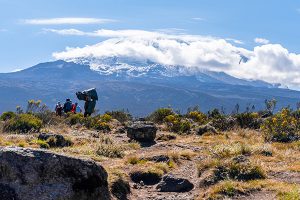
How many days should I spend climbing Kilimanjaro?
Experts recommend:
- 7–8 days for most climbers
- 8–9 days for better acclimatization
- 5–6 days only for experienced trekkers
Longer itineraries significantly improve summit success.
What is the Big Five?
The Big Five are Africa’s most famous wildlife species:
- Lion
- Leopard
- Elephant
- Rhinoceros
- African Buffalo
Tanzania is one of the best places to see all five animals.
Can I see the Great Migration?
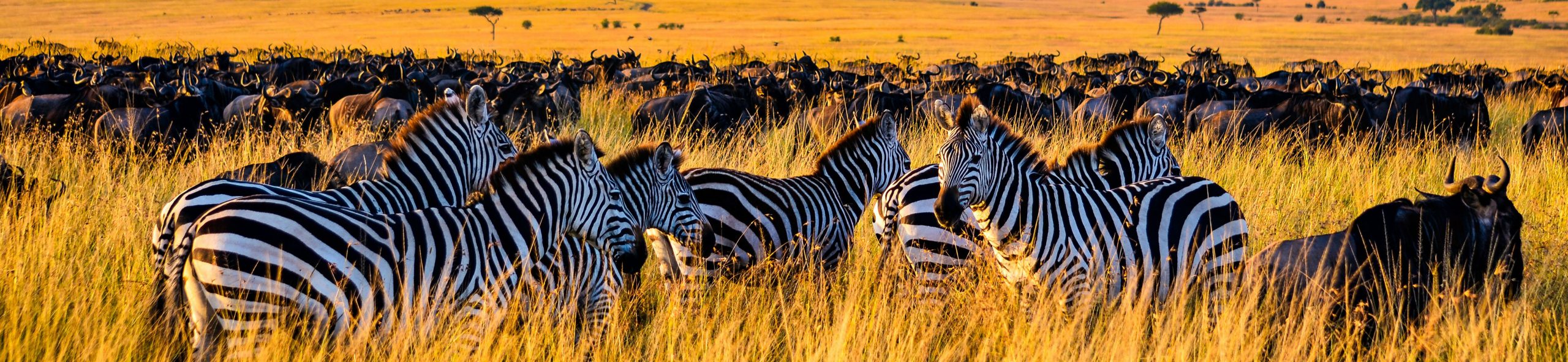
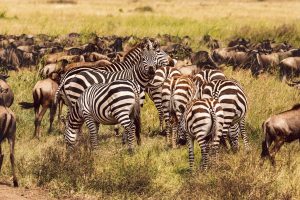
Yes. Tanzania is home to much of the Great Wildebeest Migration, where over two million wildebeest, zebras, and gazelles move across the Serengeti ecosystem in search of fresh grazing.
How many days do I need for a Tanzania safari?
Recommended safari lengths include:
- 3–4 days: Short safari
- 5–7 days: Most popular itinerary
- 8–10 days: Comprehensive northern circuit safari
- 10+ days: Includes southern parks or Zanzibar extension
How much does a Tanzania safari cost?
Safari prices vary depending on the season, accommodation, and itinerary.
Typical price ranges:
- Budget safari: $250–$450 per person per day
- Mid-range safari: $450–$700 per person per day
- Luxury safari: $700–$1,500+ per person per day
Is Tanzania safe for tourists?
Yes. Tanzania is considered one of Africa’s safest safari destinations. Traveling with a licensed tour operator and following your guide’s instructions helps ensure a safe and enjoyable experience.
What animals can I expect to see?
Depending on the park and season, you may see:
- Lions
- Elephants
- Leopards
- Cheetahs
- Giraffes
- Zebras
- Wildebeests
- Hippos
- Crocodiles
- Hyenas
- Buffaloes
- Rhinos
- Hundreds of bird species
What should I pack for a safari?
Recommended items include:
- Neutral-colored clothing
- Lightweight long-sleeved shirts
- Comfortable walking shoes
- Hat
- Sunglasses
- Sunscreen
- Insect repellent
- Camera
- Binoculars
- Personal medication
- Reusable water bottle
Do I need vaccinations before visiting Tanzania?
Some vaccinations may be recommended depending on your travel history and country of origin. Travelers should consult a healthcare professional before departure regarding routine vaccinations, malaria prevention, and any entry requirements.
Do I need a visa to visit Tanzania?
Most international travelers require a Tanzanian visa. Many nationalities can apply online or obtain a visa on arrival. Check the latest requirements before your trip.
What type of safari vehicle will I use?
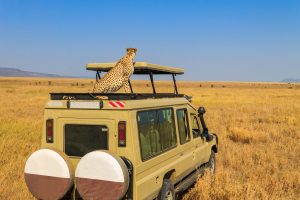
Most safaris use customized 4×4 Toyota Land Cruisers with:
- Pop-up roof for wildlife viewing
- Comfortable seating
- Charging ports
- Refrigerator or cooler
- Large windows
- Professional safari equipment
Can children go on safari?
Yes. Many lodges and tour operators welcome families. Some camps have minimum age requirements, especially for walking safaris or certain activities, so it’s best to check in advance.
Will I have internet during my safari?
Many lodges and tented camps offer Wi-Fi in common areas, although connections may be slower or unavailable in remote locations. Mobile network coverage varies by park.
Can I combine a safari with Mount Kilimanjaro or Zanzibar?
Absolutely. Many travelers combine a wildlife safari with:
- A Mount Kilimanjaro climb
- A beach holiday in Zanzibar
- Both for the ultimate Tanzania adventure
Is tipping expected on safari?
Yes. Tipping is customary for safari guides, drivers, lodge staff, and camp teams. While not mandatory, it is a common way to recognize excellent service.
What is the difference between a private safari and a group safari?
Private Safari
- Personalized itinerary
- Flexible schedule
- Private vehicle and guide
- Ideal for families, couples, or photographers
Group Safari
- Lower cost
- Shared vehicle
- Meet other travelers
- Fixed itinerary
Can I use drones during my safari?
Generally, no. Drone use is prohibited in most national parks and protected areas in Tanzania unless you have special authorization from the relevant authorities.
How do I choose the best safari tour operator?
When selecting a safari company, consider:
- Licensed and registered operator
- Experienced professional guides
- Positive customer reviews
- Transparent pricing
- Well-maintained safari vehicles
- Reliable communication
- Quality accommodations
- Commitment to responsible tourism and wildlife conservation
Choosing a reputable operator helps ensure a safe, comfortable, and memorable safari experience.
Final Thoughts
A Tanzania wildlife safari offers breathtaking landscapes, world-class wildlife viewing, and unforgettable experiences for travelers of all ages. Whether you’re dreaming of seeing the Big Five, witnessing the Great Migration, or relaxing after your safari on the beaches of Zanzibar, careful planning will help you make the most of your journey.

Is where real adventure begins. Discover the true beauty of Tanzania through unforgettable wildlife safaris, breathtaking landscapes, and authentic local experiences.
Photo Gallery
- © 2026 Inspiration Safari All Rights Reserved.