Frequently Asked Questions About Mount Kilimanjaro
Planning to climb Mount Kilimanjaro is exciting, but it also comes with many questions. Whether you’re a first-time trekker or an experienced hiker, understanding what to expect can make your adventure safer and more enjoyable.
Below are the 20 most frequently asked questions about climbing Mount Kilimanjaro.
Can beginners climb Mount Kilimanjaro?
Yes. Mount Kilimanjaro is considered one of the world’s most accessible high mountains because it does not require technical climbing skills. Beginners with good physical fitness and proper preparation successfully reach the summit every year.
How difficult is climbing Mount Kilimanjaro?
The climb is physically demanding mainly because of the high altitude rather than difficult terrain. Most routes involve long hiking days, cold temperatures, and steep summit night conditions.
What is the best route to climb Kilimanjaro?
The best route depends on your experience and goals.
- Lemosho Route – Best overall success rate
- Machame Route – Most popular
- Marangu Route – Only route with huts
- Rongai Route – Quiet and scenic
- Northern Circuit – Longest and highest success rate
- Umbwe Route – Most challenging
How many days should I spend climbing Kilimanjaro?
Experts recommend:
- 7–8 days for most climbers
- 8–9 days for better acclimatization
- 5–6 days only for experienced trekkers
Longer itineraries significantly improve summit success.
How much does it cost to climb Mount Kilimanjaro?
Prices generally range between:
- Budget: $1,500–$2,200
- Mid-range: $2,300–$3,500
- Luxury: $3,500–$6,000+
The cost depends on the route, number of days, accommodation, and included services.
Do I need previous hiking experience?
No, although previous hiking experience is helpful. Many first-time hikers successfully summit after proper training.
How fit should I be?
You should be able to comfortably:
- Walk 6–8 hours per day
- Hike uphill carrying a daypack
- Exercise regularly before your trip
Training for 8–12 weeks is highly recommended.
What is the success rate for climbing Kilimanjaro?
Success depends largely on route length.
Approximate summit rates:
- 5-day routes: 40–60%
- 6-day routes: 60–75%
- 7-day routes: 75–90%
- 8-day routes: over 90%
What causes altitude sickness?
As you climb higher, oxygen levels decrease. Your body needs time to adapt. Climbing too quickly increases the risk of Acute Mountain Sickness (AMS).
How can I prevent altitude sickness?
You can reduce your risk by:
- Choosing a longer route
- Walking slowly (“Pole Pole”)
- Drinking plenty of water
- Eating well
- Sleeping enough
- Listening to your guide
- Considering medication such as acetazolamide after consulting your doctor
What is the best time to climb Mount Kilimanjaro?
The most popular seasons are:
- January to March
- June to October
These months generally offer the best weather and excellent summit conditions.
How cold does it get?
Temperatures vary greatly.
- Rainforest: 15–25°C (59–77°F)
- Camps: 0–10°C (32–50°F)
- Summit: -10°C to -20°C (14°F to -4°F)
Layered clothing is essential.
What should I pack?
Essential gear includes:
- Waterproof hiking boots
- Warm jacket
- Sleeping bag
- Thermal clothing
- Rain gear
- Trekking poles
- Headlamp
- Gloves
- Hat
- Water bottles or hydration system
- Duffel bag
- Daypack
How much weight can my porter carry?
Most operators allow your duffel bag to weigh up to 15 kg (33 lbs). Your personal daypack should usually weigh between 5–7 kg.
Do I need a sleeping bag?
Yes. Even if camping equipment is provided, climbers are generally expected to bring or rent a high-quality four-season sleeping bag rated for sub-zero temperatures.
Is climbing Kilimanjaro safe?
Yes. Kilimanjaro is considered safe when you climb with a licensed operator. Professional guides monitor your health daily, carry emergency equipment, and are trained in altitude safety and emergency procedures.
Can children climb Kilimanjaro?
The minimum legal climbing age is 10 years old. However, many operators recommend that children be older, depending on their fitness, maturity, and previous hiking experience.
Do I need a visa for Tanzania?
Most international visitors require a Tanzanian visa. Many nationalities can apply online before travel or obtain a visa on arrival. Always check the latest visa requirements for your country before departure.
Should I tip the mountain crew?
Yes. Tipping is an important part of the Kilimanjaro trekking culture. Guides, assistant guides, cooks, and porters work hard to ensure your safety and comfort, and tips are a customary way to recognize their efforts.
Can I combine Kilimanjaro with a safari or Zanzibar?
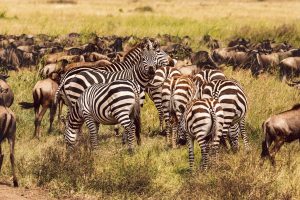
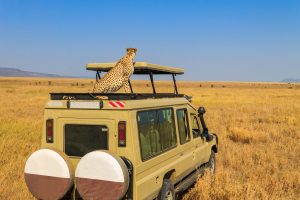
Absolutely. Many travelers choose to combine their Kilimanjaro climb with a wildlife safari or a beach holiday in Zanzibar. Popular safari destinations include:
- Serengeti National Park
- Ngorongoro Crater
- Tarangire National Park
- Lake Manyara National Park
This combination allows visitors to experience Tanzania’s mountains, wildlife, and coastline in one unforgettable trip.
Where is Mount Kilimanjaro?
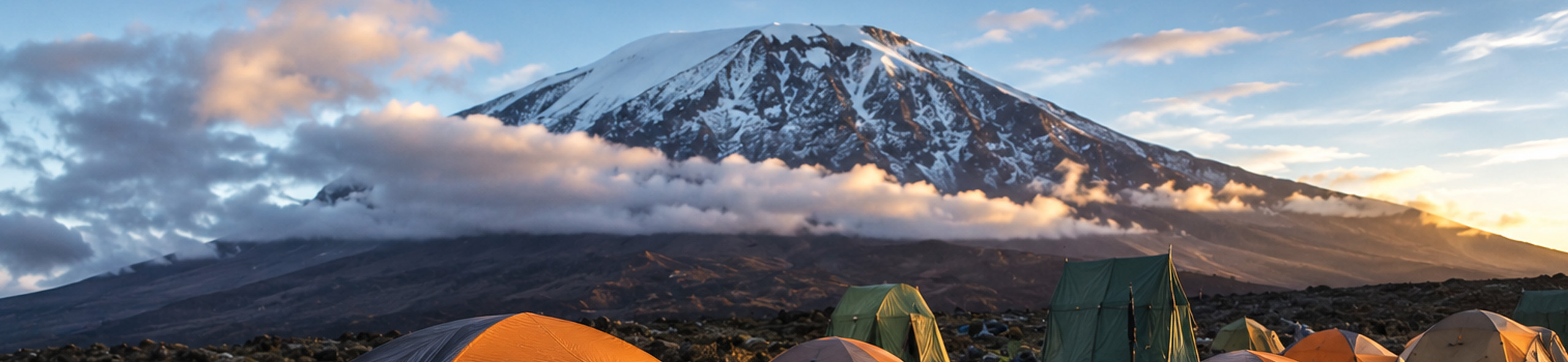
Mount Kilimanjaro is located in northeastern Tanzania, close to the Kenya border. It is the highest mountain in Africa, standing at 5,895 meters (19,341 feet) above sea level.
How high is Mount Kilimanjaro?
The summit, Uhuru Peak, reaches 5,895 meters (19,341 feet).
Is Kilimanjaro the highest mountain in Africa?
Yes. Mount Kilimanjaro is the tallest mountain in Africa and the world’s highest free-standing mountain.
Which route is best?
Popular options include:
- Lemosho Route – Scenic and excellent acclimatization.
- Machame Route – Most popular camping route.
- Marangu Route – Only route with mountain huts.
- Rongai Route – Quieter and drier.
- Northern Circuit – Longest route with the highest success rate.
- Umbwe Route – Steepest and most challenging.
Which route has huts?
Only the Marangu Route uses mountain huts.
All other routes involve camping in tents..
How many days should I choose?
Seven or eight days are ideal for most climbers because they improve acclimatization and summit success.
Do guides monitor climbers?
Yes.
Professional guides check your health daily and many use pulse oximeters to monitor oxygen saturation.
What is the weather like?
Kilimanjaro has five climate zones, ranging from tropical rainforest to an Arctic summit.
Temperatures vary from 25°C (77°F) at the base to -20°C (-4°F) near the summit.
Can I rent equipment?
Yes.
Most Kilimanjaro tour operators rent high-quality equipment, including sleeping bags, trekking poles, jackets, gaiters, and duffel bags.
Do I need trekking poles?
They are not mandatory, but trekking poles greatly reduce strain on your knees, especially during descents.
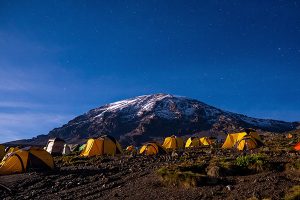
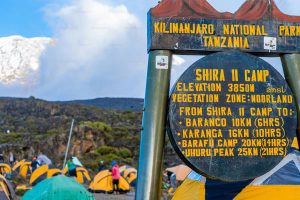
Where do you sleep?
- Marangu Route: Mountain huts.
- All other routes: High-quality expedition tents.
Are the tents comfortable?
Yes.
Most operators provide spacious two-person tents with sleeping pads.
Premium operators may also provide dining tents and private toilet tents.
What food is served?
Meals typically include:
- Soup
- Rice
- Pasta
- Potatoes
- Vegetables
- Chicken
- Beef
- Eggs
- Fruit
- Tea and coffee
Vegetarian, vegan, gluten-free, and other dietary requirements can usually be accommodated with advance notice.
Is drinking water safe?
Yes.
Your mountain crew provides purified or boiled drinking water throughout the trek.
Is travel insurance required?
Yes.
Comprehensive travel insurance that covers high-altitude trekking and emergency evacuation is strongly recommended.
Are there toilets?
Yes.
Every campsite has public toilets, and many operators offer private portable toilets.
Are there showers?
No.
Most climbers use warm water provided by the crew along with wet wipes during the trek.
What do porters carry?
Porters transport:
- Duffel bags
- Tents
- Food
- Kitchen equipment
- Camping supplies
You carry only your day pack.
Should I tip the mountain crew?
Yes.
Tipping is customary and helps recognize the hard work of guides, cooks, and porters.
Your operator will provide recommended tipping guidelines.
Do I need a visa?
Most international visitors require a Tanzanian visa.
Check the latest requirements before traveling.
Which airport should I fly into?
The closest airport is Kilimanjaro International Airport (JRO), located between Arusha and Moshi.
Where do climbers stay before the trek?
Most climbers spend one or two nights in Moshi or Arusha before beginning their climb.
Are park fees included?
Most tour packages include:
- Park fees
- Camping or hut fees
- Rescue fees
- Guide and porter wages
- Meals on the mountain
- Accommodation during the climb
Always confirm exactly what is included before booking.
How long is summit day?
Summit day usually lasts 10–16 hours, making it the longest and most demanding day of the trek.
Most climbers begin their summit attempt around midnight to reach Uhuru Peak at sunrise.
Will there be snow?
Snow is possible at the summit throughout the year, although the amount varies with seasonal weather patterns.
Will I receive a certificate?
Yes.
Every successful climber receives an official summit certificate from Kilimanjaro National Park.
Why Choose a Licensed Tour Operator?
A reputable Kilimanjaro operator provides:
- Certified mountain guides
- Experienced porters
- Quality camping equipment
- Safety-first procedures
- Emergency support
- Delicious mountain meals
- Daily health monitoring
- Excellent summit success rates
Choosing the right operator greatly improves your overall experience.
Is where real adventure begins. Discover the true beauty of Tanzania through unforgettable wildlife safaris, breathtaking landscapes, and authentic local experiences.
Photo Gallery
- © 2026 Inspiration Safari All Rights Reserved.